התרבות היא לא “מכשול” להכרת שוק עסקי - היא השוק עצמו
(English follows Hebrew)
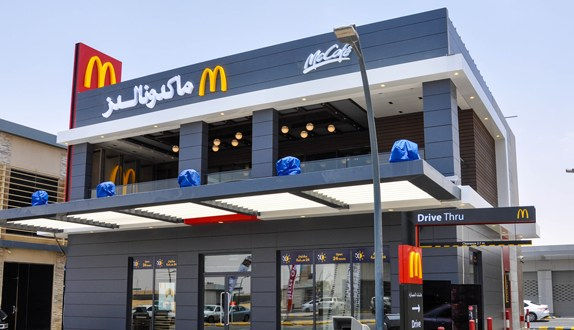
מקדונלדס הבינו שבמזרח התיכון התרבות היא לא “מכשול” - היא השוק עצמו.
לפי דיווח שפורסם לאחרונה, “מקדונלדס סעודיה” זכתה בפרס אחריות תאגידית (CSR) לשנת 2025.
אבל זו לא סתם ידיעה על פרס, זו דוגמה לשיעור אחד חשוב: פיצוח קודים ואינטליגנציה תרבותית.
הם לא “הצליחו בגלל לוגיסטיקה", הם הצליחו כי הם בחרו להיות היפר-לוקאליים: לבנות מותג דרך אמון קהילתי, לא רק דרך מוצר.
אז מה הם עשו בפועל?
אמון לפני מוצר:
בסעודיה, אחת מדרישות הסף לכניסה לשוק האוכל היא חלאל, "כשר" לפי ההלכה האסלאמית (השריעה). מקדונלד’ס חיזקו אמון דרך שקיפות בשרשרת האספקה: לא “תאמינו לנו”, אלא “תראו בעצמכם” שכל המוצרים הם חלאל.
לכבד תפיסות עממיות גם אם הן לא “רציונליות מערבית”:
יש תפיסה רווחת בחברה הסעודית, שחומץ בבקבוק פלסטיק עלול להזיק בגלל חומרים מהפלסטיק שמחלחלים אל החומץ, אז הם התאימו את הפרט הקטן: בקבוקי זכוכית במקום פלסטיק.
הניואנס הזה לא קטן - הוא אמון.
"החך המקומי" הוא קוד זהות:
רטבים מבוססי שומשום נפוצים מאוד בסעודיה - מקדונלדס שילבו טחינה ושומשום בתוך התפריט. לא כדי “לצאת ידי חובה”, אלא כדי לדבר את השפה של המקום.
צ'יפס הוא לא מנה אישית:
מנות הצ'יפס בסעודיה גדולות יותר. מקדונלדס קראו את מדד הקולקטיביזם של החברה הסעודית והבינו שהצ'יפס הוא לא "תוספת אישית", אלא חלק מטקס שיתוף משפחתי. הגודל הוא לא רק כמות, הוא התאמה ל"קצב החברתי".
מה שמקדונלדס עשו זו לא לוקַליזציה טכנית. זו אסטרטגיה שמבינה קודים, מתחברת לקבוצת הפנים של קהל היעד ובונה אמון.
🎯ומה הפרקטיקה שלומדים מכאן עבור מנהלים, ארגונים וחברות?
מה “הפרט הקטן” שמסמן אמינות אצל קהל היעד? (אריזה/שפה/טקס/שירות)
מה עלול להיתפס כחוסר כבוד אפילו אם אצלי זה סטנדרט?
מי "שומר הסף" של הלגיטימציה בשטח? (קהילה/משפחה/דת/מוניטין)
להבין תרבות = להצליח.
להבין זה לא להצדיק - להבין זה למנוע טעויות.
יוסף מחפוד לוי.
McDonald’s understood that in the Middle East, culture is not an “obstacle” — it is the market itself.
According to a report published recently, “McDonald’s Saudi Arabia” won a Corporate Social Responsibility (CSR) award for 2025.
But this isn’t just a news item about an award — it’s an example of one important lesson: decoding codes and cultural intelligence.
They didn’t “succeed because of logistics.” They succeeded because they chose to be hyper-local: to build a brand through community trust, not only through product.
So what did they actually do?
▪️Trust before product:In Saudi Arabia, one of the baseline requirements for entering the food market is halal — “kosher” according to Islamic law (Sharia). McDonald’s strengthened trust through supply-chain transparency: not “trust us,” but “see for yourselves” that all products are halal.
▪️Respect popular perceptions even if they’re not “Western-rational”:There is a common perception in Saudi society that vinegar in a plastic bottle may be harmful because substances from the plastic can leach into the vinegar, so they adjusted the small detail: glass bottles instead of plastic.That nuance isn’t small — it’s trust.
▪️“The local palate” is an identity code: Sesame-based sauces are very common in Saudi Arabia — McDonald’s incorporated tahini and sesame into the menu. Not to “tick a box,” but to speak the language of the place.
▪️Fries are not an individual portion:Fries portions in Saudi Arabia are larger. McDonald’s read the collectivism index of Saudi society and understood that fries are not a “personal side,” but part of a family sharing ritual. The size is not just quantity — it’s alignment with the “social rhythm.”
What McDonald’s did is not technical localization. It’s a strategy that understands codes, connects to the in-group of the target audience, and builds trust.
🎯So what practical takeaways does this teach managers, organizations, and companies?
▪️What is the “small detail” that signals credibility to the target audience? (packaging/language/ritual/service)
▪️What might be perceived as disrespect, even if for me it’s standard?▪️Who is the “gatekeeper” of legitimacy on the ground?(community/family/religion/reputation)
Understanding culture = succeeding
TO understand is not to justify — to understand is to prevent mistakes.
YOSEF MAHFOUD LEVI.


Comments